conditions 9 min read

My Child Avoids Eye Contact — Is It Autism?

Reduced eye contact alone is not autism — some children are simply shy or focused. It matters when it clusters with other signs: not pointing, not responding to name, few gestures. What to look at, and what to do.

Written by
NeuroNurture clinical team
Senior speech-language pathologists, ABA analysts, occupational therapists, and child psychologists, supervised by our team of developmental paediatricians
Reviewed by
Dr. Neha Kukreja
MBBS · DNB (Paediatrics) · Post-doctoral Fellowship in Developmental & Behavioural Paediatrics
Published 10 August 2026
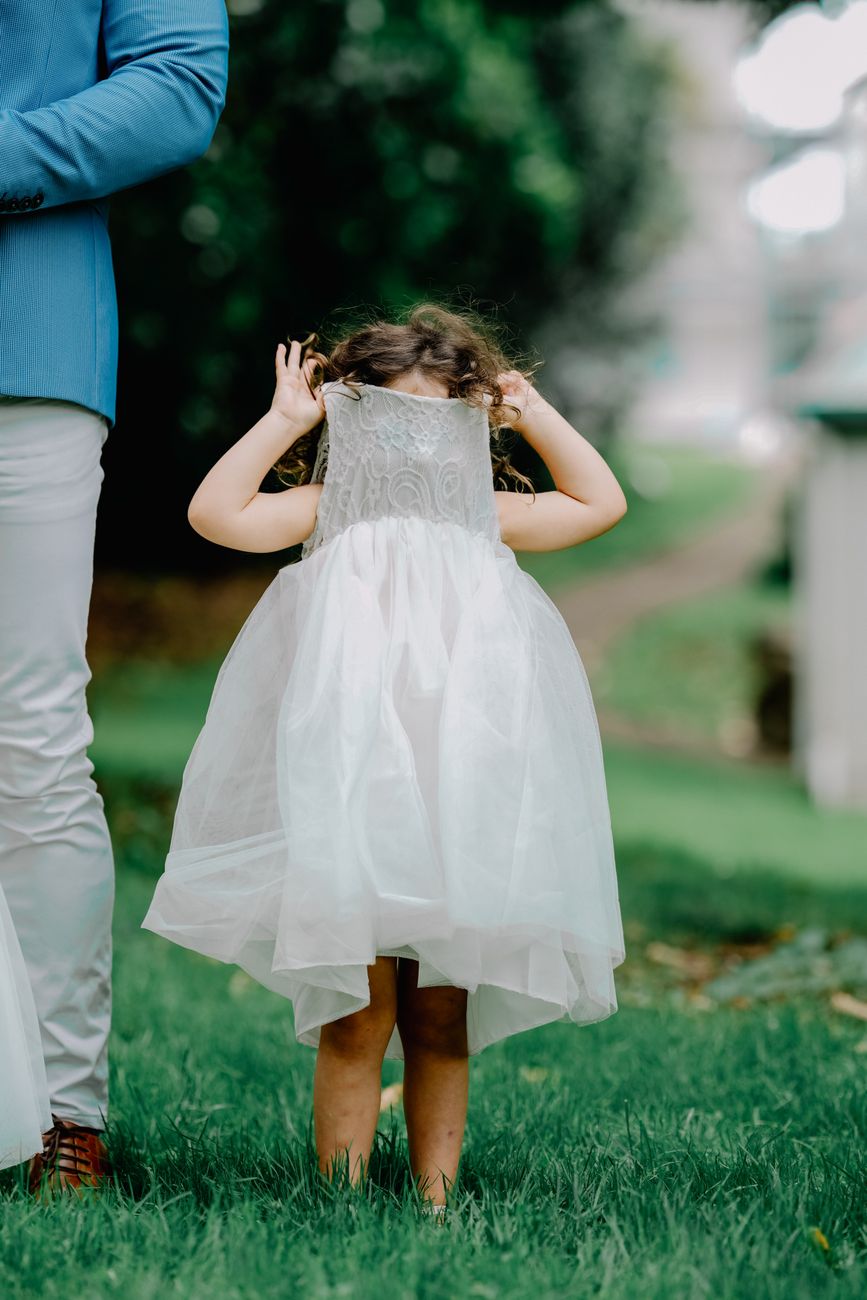
Shy young girl hiding her face in her dress next to a parent
Take the first step

Book your free consultation.

A 30-minute consultation with a developmental paediatrician or senior therapist. Free, no obligation.

Free Callback in 2 hours No obligation
Get appointment
We call within 2 hours · 100% free

The short answer: reduced eye contact by itself is not autism. Plenty of children look less — shyness, temperament, deep focus on what they’re doing. It becomes meaningful when it clusters: eye contact plus not pointing to share, plus inconsistent response to name, plus few gestures. One sign is a temperament; a cluster is a reason for an assessment.

What eye contact does developmentally

Long before words, children hold conversations with their eyes: looking at you, then at the interesting thing, then back — are you seeing this? Clinicians call this shared or joint attention, and it’s the soil early language grows in. That’s why eye contact appears on every autism screening tool — not because looking is the point, but because it usually travels with the bigger skill of sharing attention.

A child who rarely makes eye contact but points, shows you toys, checks your face when something surprising happens, and responds to their name is sharing attention just fine through other channels. A child missing several of those channels at once is the picture that warrants a closer look.

The cluster to check, honestly

Over a normal week, watch for:

  • Pointing to show you things (not just to ask for them) — expected by 12–15 months
  • Response to name — consistent by around 12 months
  • Gestures — waving, clapping, arms up
  • Showing — bringing you objects just to share them
  • Back-and-forth play — peek-a-boo, give-and-take games

Strong on most, weak only on eye contact? Most likely temperament. Weak on several? Take the M-CHAT-R and book a developmental assessment — not because the answer is certain, but because the question deserves better than a year of wondering.

One thing not to do

Don’t drill eye contact (“look at me, look at me”). It raises stress, teaches performance rather than connection, and — for autistic children especially — can make listening harder, since managing gaze takes effort. Connection first; eyes follow, or don’t, and either way the child is heard.

If the cluster reads familiar, our developmental paediatrician offers a free 30-minute consultation — a calm, structured read of the whole picture.

Backed by
AAP NIH NICHD
View sources
  1. 01
  2. 02

Reviewed by Dr. Neha Kukreja (MBBS · DNB (Paediatrics) · Post-doctoral Fellowship in Developmental & Behavioural Paediatrics). Educational content; not clinical advice.

Common questions

Questions parents also asked.

My child makes eye contact with us but not with strangers. Autism?

That pattern — warm eye contact with familiar people, reserve with strangers — is much more typical of temperament than autism. Autistic differences in eye contact usually show across contexts, including at home.

Should we train eye contact?

No. Forcing eye contact adds stress without building communication. If assessment finds autistic differences, therapy targets connection and communication — eye contact often follows naturally, and where it doesn't, listening matters more than looking.

What's the quickest structured check I can do?

The M-CHAT-R questionnaire (free, ten minutes, for ages 16–30 months). It asks about eye contact alongside pointing, name response, and play — the cluster that actually answers the question.

About the author

NeuroNurture clinical team

Senior speech-language pathologists, ABA analysts, occupational therapists, and child psychologists, supervised by our team of developmental paediatricians

Articles authored by working clinicians at NeuroNurture — speech-language pathologists, occupational therapists, behaviour therapists, and special educators — collectively responsible for the practice's published guidance to parents.

Free consultation

Talk to a paediatrician — free, in 30 min.

Honest read, no script, no pressure. We listen, we observe, we tell you what we think.

Get appointment
We call within 2 hours · 100% free
Free 2-hour callback No obligation