
One assessment, one plan
Single integrated paediatrician assessment combining standardised tools (Vineland, ADOS-2-informed), parent report, and direct observation. One plan covers every modality.
Speech therapy, naturalistic ABA, occupational therapy, and parent coaching — coordinated under a single paediatrician-authored plan rather than three therapists working in parallel.

A 30-minute consultation with a developmental paediatrician or senior therapist. We listen, observe, and give you an honest read on whether autism programme is the right starting point.
An autism therapy programme is a coordinated plan that combines the interventions with the strongest evidence for autistic children — speech and language therapy, naturalistic behaviour-analytic work (ABA done well), occupational therapy, and structured parent coaching — under one clinical owner. At NeuroNurture that owner is a developmental paediatrician, who assesses the child, authors the plan, and reviews the data every four weeks. Sessions are delivered online, 1-on-1.
The alternative most Indian families experience is fragmentation. A diagnosis arrives after months of he’s just a late talker reassurances — and what follows is rarely clearer. Forty hours of ABA. Or speech therapy alone. Or nothing for two years. Within a fortnight, a family that came looking for guidance has been handed seven different plans, none coordinated, most expensive.
Children aged roughly 18 months to 18 years with a confirmed autism diagnosis, children still under assessment whose parents want intervention started while the diagnostic process runs, and children whose current single-modality therapy has plateaued because the plan around it is uncoordinated. If your child is under three, the case for starting is strongest: the earlier structured intervention begins, the more the developing brain can do with it.
We can also complete the clinical assessment itself. Our developmental paediatrician uses ADOS-2-informed observation, parent and teacher report, and developmental history — and can issue the formal documentation schools ask for, or coordinate with a trusted in-person team where that’s the better route.
Not every autistic child needs every modality. Some need speech and parental coaching, with a small ABA component. Others need substantial OT for regulation, with speech secondary. The first job is figuring out which child is in front of us — not running a default protocol. Our paediatrician’s assessment answers that question and the plan is built from the answer.
Integration is not “more therapies in the same week.” It is one team, working from one assessment, toward one set of goals — written down, reviewed every four weeks.
In practice that looks like: one written assessment covering communication, regulation, motor, and daily-living domains; one plan naming which modalities, in what sequence, at what weekly intensity; therapists who share notes weekly instead of working blind; and a four-weekly paediatric review that adds, drops, or re-weights modalities as the data comes in.
We treat autism as a developmental difference, not a deficit. We are not in the business of making your child appear neurotypical. The skills we teach — communication, regulation, independence, navigation of social context — are the skills that increase your child’s agency in the world. Where a behaviour is harmless, even if non-typical, we leave it alone.
This isn’t just an ethics statement. It’s a clinical one. Programmes that try to extinguish core autistic traits produce poorer long-term outcomes and worse mental-health outcomes in adolescence. Programmes that teach skill while honouring identity produce children who can talk about their needs, recognise their dysregulation, and ask for what they need.
The American Academy of Pediatrics’ clinical report on autism (Hyman et al., 2020) identifies early, structured, multi-modal intervention as the standard of care. The PACT trial published in The Lancet — one of the strongest long-term datasets in the field — showed that parent-mediated social-communication therapy produced gains that persisted six years after the intervention ended, which is why parent coaching is a spine of our programme rather than an add-on. The Indian Academy of Pediatrics’ consensus statement on autism echoes both: early intervention, family involvement, and coordinated multi-disciplinary care.
What the evidence does not support: nutritional and biomedical “cures”, chelation, and any programme whose goal is a child who merely looks less autistic. These are widely marketed in India. We recommend caution, and we will say so plainly in your consultation if you ask about one.
The first two weeks are assessment: standardised tools, parent interview, direct observation across settings, and a written plan signed off by the paediatrician. Weekly delivery then begins at the intensity the plan calls for — for most children, several 30-minute sessions across the chosen modalities, each ending with a parent debrief. Every Friday you receive a written progress note; every four weeks the paediatric team re-reviews the whole plan. Families usually see the first functional shifts — steadier transitions, more initiation, fewer meltdowns — inside the first eight weeks, with generalisation into home routines building over months three to six.
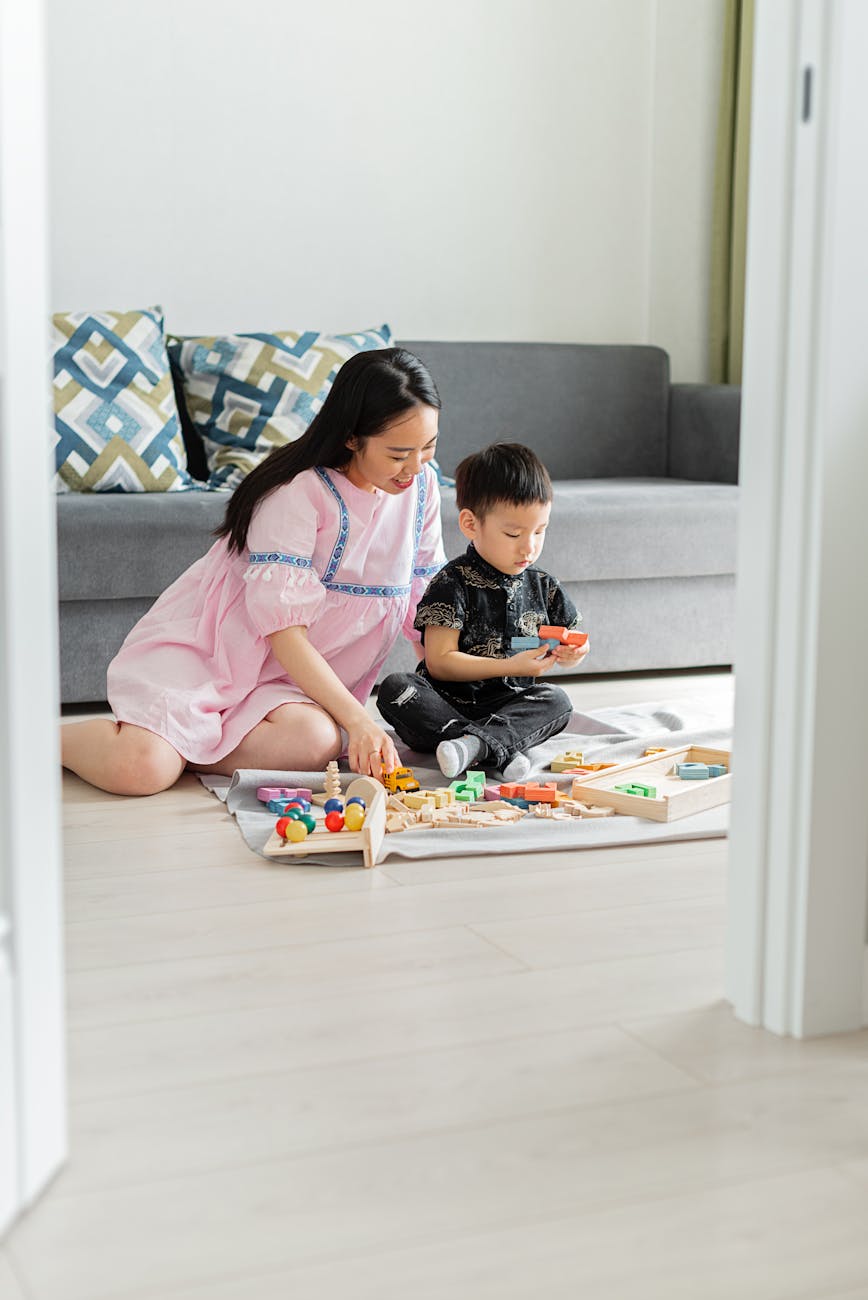
Online delivery surprises many parents of autistic children — until they see a session. Sensory regulation in the child’s own home is steadier; transitions are gentler; there is no waiting room. The parent is present at every session, which is exactly what the parent-mediated evidence says matters most. And because qualified multi-disciplinary autism teams are concentrated in a handful of Indian metros, online delivery is often the only way a family outside them gets a coordinated programme at all — same senior team in Kochi or Chandigarh as in Bengaluru.
Costs scale with intensity. Single-modality plans are priced per session; multi-modal weekly bundles run higher and are quoted transparently after the free assessment, with monthly options. Many families start at lower intensity and ramp up only if the data warrants it. The first 30-minute consultation is free, and we won’t push you into a programme the same week — you’ll get our honest read, the evidence for your child’s age, and a week to talk it through.
Single integrated paediatrician assessment combining standardised tools (Vineland, ADOS-2-informed), parent report, and direct observation. One plan covers every modality.
Speech, ABA, OT, parental coaching share goals. Therapists meet weekly; paediatrician reviews the whole plan every four weeks.
We don't target stimming. We don't target eye contact for its own sake. We measure success in functional independence and family-reported quality of life.
Per-session pricing varies with session length, modality, and senior-clinician supervision. We share the full quote with you before any commitment — and the first 30-minute consultation is always free.
Still deciding if autism programme with NeuroNurture is right for your child? These are the questions parents most often bring to a first call.
Our developmental paediatrician can complete clinical assessment using ADOS-2-informed observation, parent and teacher report, and developmental history. For families needing a formal diagnostic letter for school accommodations, we can issue it ourselves or coordinate with a trusted in-person team.
For most autistic children, yes — and often better than in-clinic. Sensory regulation in the child's own home is steadier; transitions are gentler; the parent is right there to repeat strategies through the rest of the day.
Three separately purchased therapies tend to drift apart. Each therapist works on their own goals; no paediatrician oversees all three. Our programme is integrated by design: one paediatrician authors and reviews the whole plan, and the team coordinates weekly.
Begin with a free consultation. We won't push you into a programme the same week. We'll tell you what we're seeing, what published evidence says about intervention at your child's age, what we recommend, and what we don't believe is necessary. You take a week to talk it through.
Costs scale with intensity. Single-modality plans are priced per session. Multi-modal weekly bundles run higher; we quote them transparently after your free assessment, with monthly options. Many families start at lower intensity and ramp up only if data warrants.
Medically reviewed by Dr. Neha Kukreja, Chief Medical Officer & Developmental Paediatrician. Educational content; not a substitute for clinical consultation.
Modern, naturalistic, ethically delivered Applied Behaviour Analysis for children with autism, ADHD, and related developmental conditions. Senior behaviour analysts, paediatrician-supervised plans, parent-led generalisation.
1-on-1 online speech and language therapy for late talkers, articulation difficulties, fluency, and social communication. Plans authored by our team of developmental paediatricians, sessions delivered by senior speech-language pathologists.
1-on-1 online occupational therapy for children: sensory regulation, fine-motor and handwriting, daily-living independence, and the foundational skills that unlock school readiness.
30 minutes with a developmental paediatrician or senior therapist. We assess your child's needs and recommend the right programme. Free, no obligation.