parenting 9 min read

Do Boys Really Talk Later Than Girls?

On average, boys say first words slightly later — a difference of weeks, not many months. 'He's a boy, he'll talk when he's ready' becomes dangerous when it delays help past age 2. Where the truth ends and the myth begins.

Written by
NeuroNurture clinical team
Senior speech-language pathologists, ABA analysts, occupational therapists, and child psychologists, supervised by our team of developmental paediatricians
Reviewed by
Dr. Neha Kukreja
MBBS · DNB (Paediatrics) · Post-doctoral Fellowship in Developmental & Behavioural Paediatrics
Published 10 August 2026
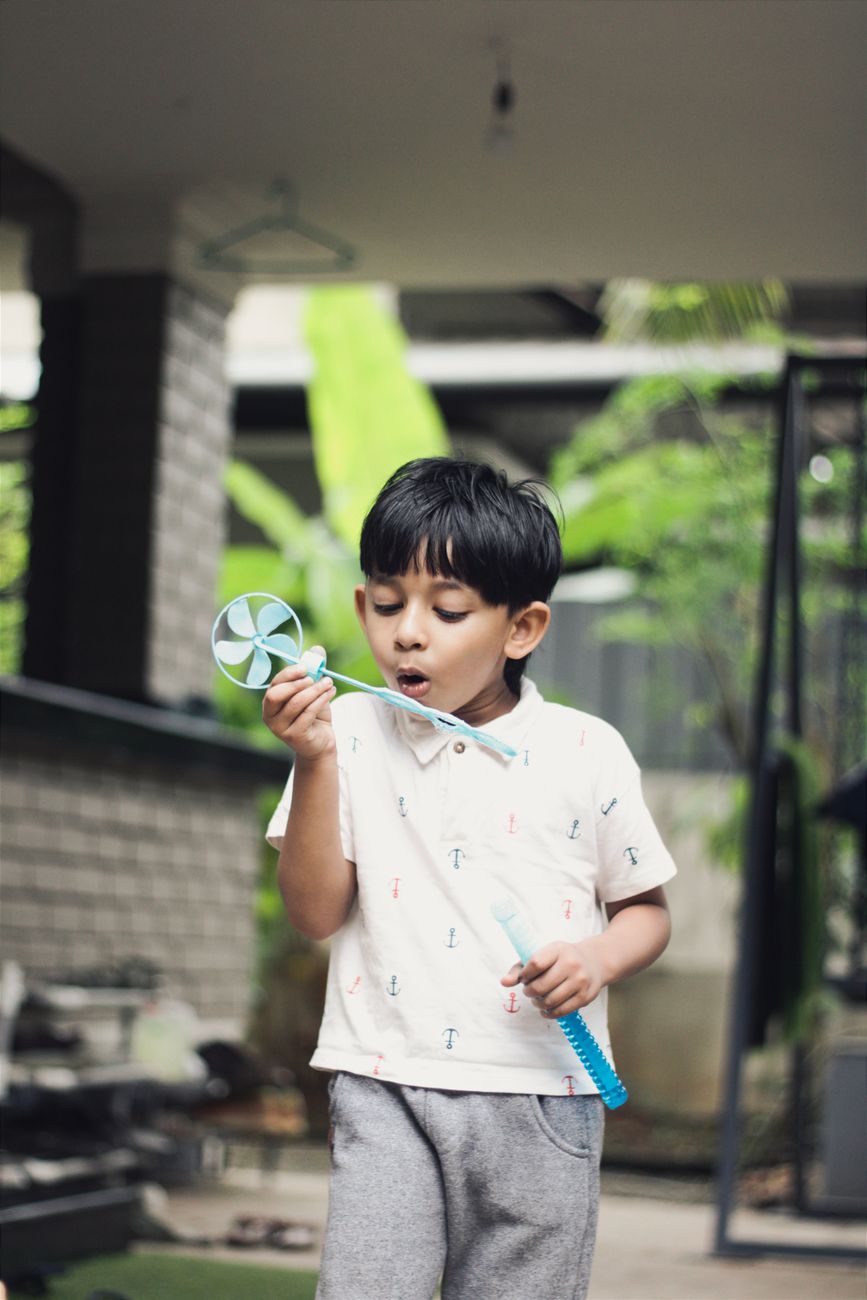
Young Indian boy blowing on a pinwheel toy, mouth forming a sound
Take the first step

Book your free consultation.

A 30-minute consultation with a developmental paediatrician or senior therapist. Free, no obligation.

Free Callback in 2 hours No obligation
Get appointment
We call within 2 hours · 100% free

The short answer: there’s a kernel of truth — on average, boys say first words slightly later, a gap measured in weeks. But the milestones are the same for both: first words by around 16–18 months, two-word phrases by 24 months. “He’s a boy, boys talk late” becomes a problem when it’s used to wait past those lines — because delay is delay, whatever the gender.

Where the myth comes from

Group averages. Across large studies, toddler girls hold a small early edge in vocabulary — real, measurable, and modest. By school age it has largely washed out. Somewhere between the research and the family WhatsApp group, “slightly later on average” became “boys talk whenever they feel like it,” a rule generous enough to excuse any delay indefinitely.

The trouble: boys are also more likely to have speech-language delays and autism. So the population where the reassuring myth is most confidently applied is exactly the population with the higher base rate of things worth checking. The myth doesn’t just soothe — it screens the wrong children out of help.

The lines that apply to every child

  • 16–18 months: first real words
  • 24 months: at least 50 words and the first two-word combinations (“more milk,” “papa gone”)
  • Any age: loss of words or skills a child previously had — always worth an immediate check

Past any of these lines, both the Indian Academy of Pediatrics and the American Academy of Pediatrics say the same thing: evaluate, don’t wait. About 70–80% of late talkers do catch up — but 20–30% don’t, and nothing about being a boy tells you which group your son is in.

What to say at the next family gathering

“You’re right that boys are often a little later — and he’s already past the line where ‘a little’ explains it. We’re getting it checked; if everything’s fine, we lose nothing.”

That check can be one free 30-minute video consultation with our developmental paediatrician. If the honest answer is “he’s fine, come back in three months,” that is exactly what you’ll hear.

Backed by
ASHA AAP
View sources
  1. 01
  2. 02

Reviewed by Dr. Neha Kukreja (MBBS · DNB (Paediatrics) · Post-doctoral Fellowship in Developmental & Behavioural Paediatrics). Educational content; not clinical advice.

Common questions

Questions parents also asked.

How big is the real boy–girl difference?

Small — girls hold a modest early vocabulary edge in toddlerhood measured in weeks, and it fades with age. Milestone expectations (first words by 16–18 months, two-word phrases by 24 months) are the same for both.

Uncle/dadaji says HE spoke at 4 and turned out fine. Now what?

Some late talkers do catch up fully — that part is true. But 20–30% don't catch up on their own, and there's no reliable way to know which group your child is in without an assessment. The family story is one data point; the milestone chart is a better one.

What's the cost of just waiting six more months?

If your child is in the catch-up group: nothing. If not: six months of the brain's best language-learning window, spent waiting. Early support is cheap insurance either way — and a free assessment tells you whether it's needed at all.

Free consultation

Talk to a paediatrician — free, in 30 min.

Honest read, no script, no pressure. We listen, we observe, we tell you what we think.

Get appointment
We call within 2 hours · 100% free
Free 2-hour callback No obligation