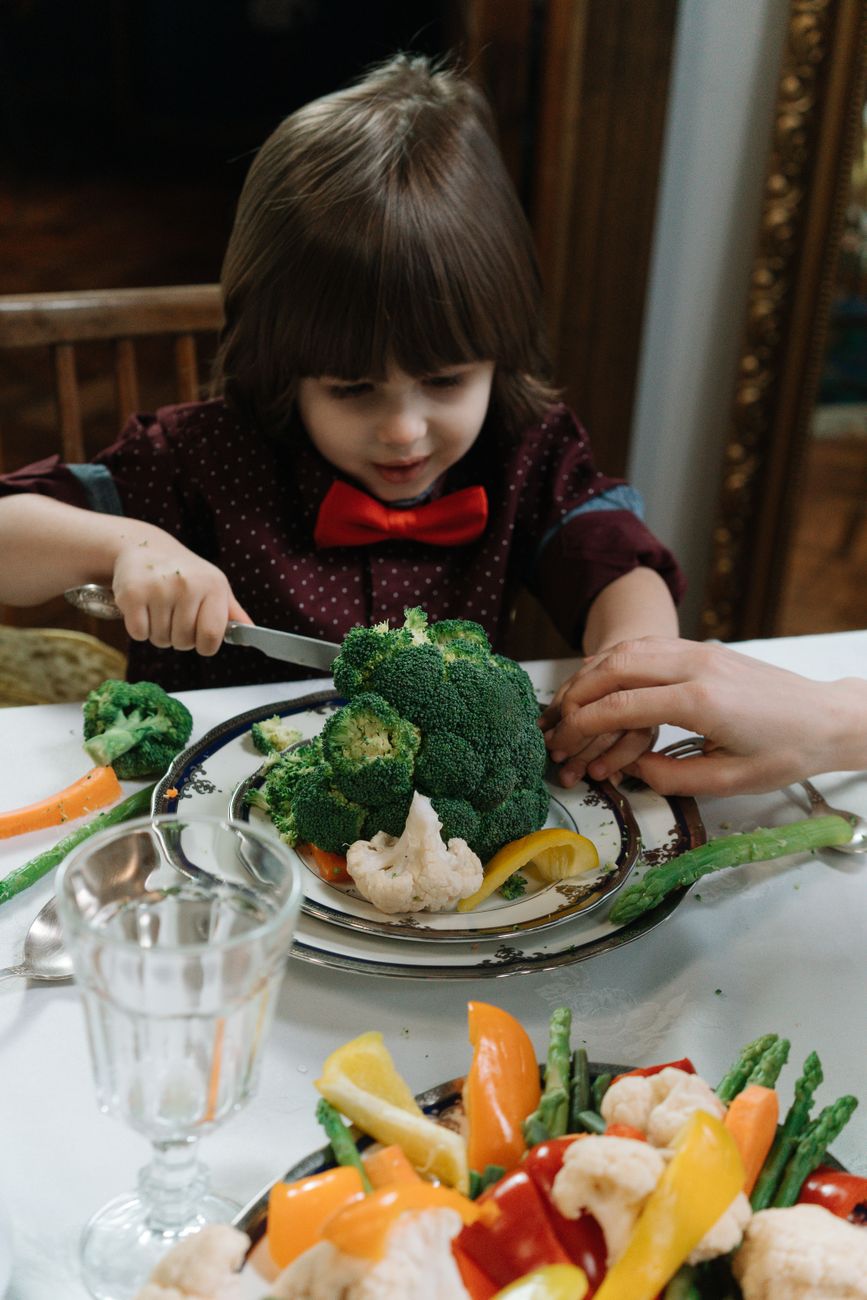
The short answer: ordinary picky eating — a toddler refusing vegetables this month, loving them next — is a normal phase. The picture changes when the accepted-food list drops below roughly 20 foods, when textures cause gagging or panic rather than dislike, when foods touching each other ruins the meal, or when foods get dropped and never replaced. That pattern usually isn’t stubbornness — it’s a sensory feeding difficulty, and it responds to structured occupational therapy, not pressure.
Picky versus sensory: the practical differences
An ordinarily picky child eats a narrower menu than you’d like but still eats across food groups, will usually tolerate a disliked food on the plate, eats better some weeks than others, and slowly adds foods as they grow.
A child with sensory-driven feeding difficulty runs a short, rigid list — often under 20 foods, frequently one texture family (crunchy-dry is common) or one brand, one shape. New foods on the plate can trigger genuine distress, not negotiation. Gagging happens at smell or touch, before taste. And the list shrinks over time: a dropped food doesn’t come back.
The key insight for exhausted parents: the second child is not being difficult. Their nervous system reads certain textures and smells the way yours reads spoiled food — the refusal is protective, and willpower (theirs or yours) doesn’t change it.
Why pressure backfires
For sensory refusal, every forced bite pairs the food with more alarm, making the next attempt harder. This is why the classic advice — “he’ll eat when hungry,” “just one bite rule,” hiding foods inside others — so often shrinks the list instead of growing it. The children who most need help are the ones the standard advice hurts.
What actually works
Structured, graded exposure at the child’s pace: the food is first tolerated on the table, then near the plate, then touched, smelled, licked, tasted — with each step counted as the win it is. Under our occupational-therapy programme, a feeding assessment maps your child’s sensory profile first, and the plan is built into ordinary family mealtimes, with you coached at every step.
If mealtimes at your house feel like a nightly negotiation with a very small, very determined diplomat — the free 30-minute consultation is a good place to find out which picture fits your child.