conditions 9 min read

Is Toe-Walking Normal in Children — or a Sign of Something?

Many toddlers toe-walk while learning to walk, and most outgrow it by around age 2–3. Persistent toe-walking, stiffness, or toe-walking alongside other developmental signs deserves a proper check. A calm guide to which is which.

Written by
NeuroNurture clinical team
Senior speech-language pathologists, ABA analysts, occupational therapists, and child psychologists, supervised by our team of developmental paediatricians
Reviewed by
Dr. Neha Kukreja
MBBS · DNB (Paediatrics) · Post-doctoral Fellowship in Developmental & Behavioural Paediatrics
Published 10 August 2026
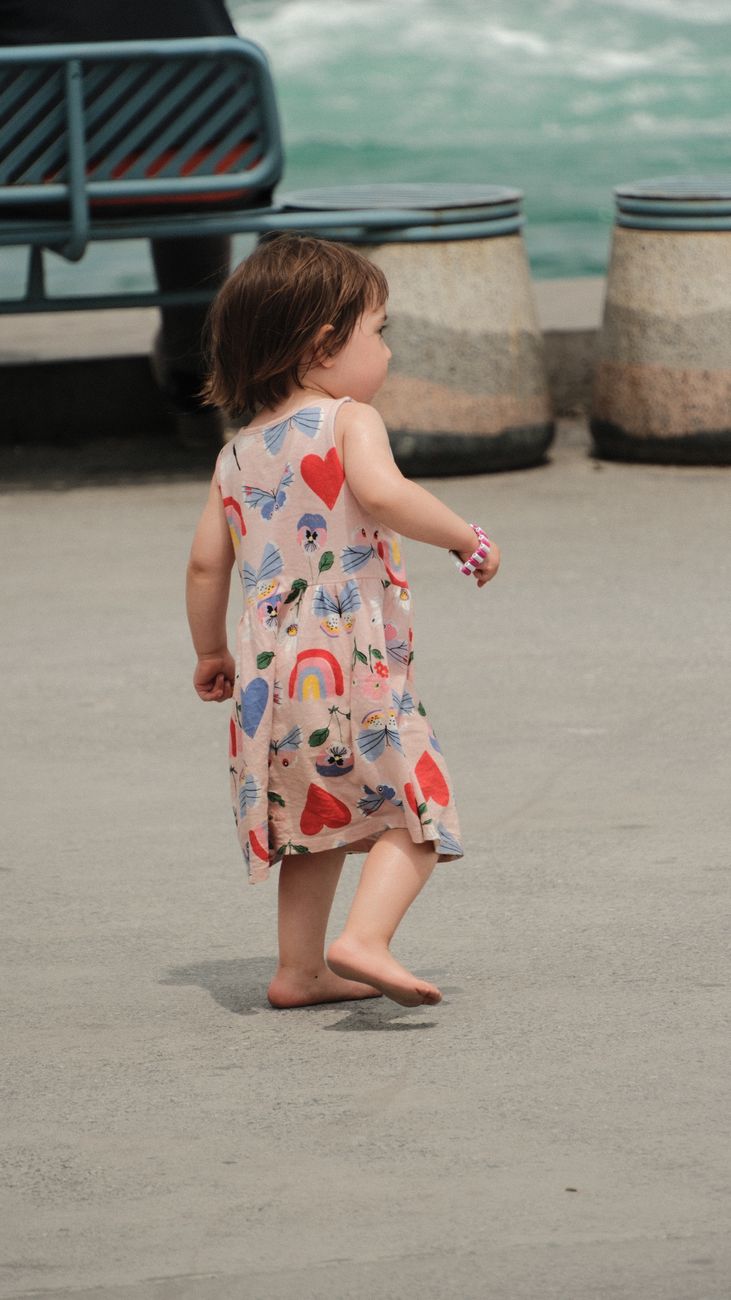
Toddler walking barefoot outdoors mid-stride
Take the first step

Book your free consultation.

A 30-minute consultation with a developmental paediatrician or senior therapist. Free, no obligation.

Free Callback in 2 hours No obligation
Get appointment
We call within 2 hours · 100% free

The short answer: toe-walking is common in toddlers learning to walk, and most children grow out of it by around age 2–3. It deserves a proper check when it is persistent (most steps, most days, past that age), when the calves feel stiff, when one side differs from the other, or when it appears alongside other developmental differences. On its own, in a child developing typically otherwise, it’s usually just a habit.

Why toddlers toe-walk

New walkers experiment — with speed, with surfaces, and with the springy, interesting feeling of walking on the balls of the feet. For most children this is one gait among several, used sometimes, dropped naturally as walking matures. The child can stand flat and does walk flat much of the time; the toes are an option, not the only setting.

The pictures that need a closer look

Tightness rather than habit. If the heels genuinely struggle to reach the ground — calves feel tight, squatting flat-footed is hard — the pattern may be structural rather than behavioural, and earlier assessment protects the range of motion.

Persistence. Toe-walking as the main way of walking past age 2–3, rather than an occasional style, moves it from “watch” to “check.”

Asymmetry or change. One leg behaving differently from the other, a child who walked flat and then shifted to toes, or any loss of walking skill — these are prompt-assessment signs at any age.

Part of a cluster. Toe-walking is more common in autistic children and in children with sensory differences — some find the reduced heel contact more comfortable. Toe-walking plus communication or social differences is a reason to book a developmental assessment covering the whole picture, not just the feet.

What an assessment involves

Nothing frightening: a paediatrician watches your child walk and run, checks the calves and ankles for range, and looks at the broader developmental picture. Most families leave with reassurance and a watch-plan; some leave with simple stretches; a few leave with an earlier answer to a bigger question — which is exactly what early checks are for.

If you’d like that check to be easy, our developmental paediatrician offers a free 30-minute video consultation — have your child take a few steps on camera, and you’ll get an honest read.

Backed by
AAP AAP
View sources
  1. 01
  2. 02

Reviewed by Dr. Neha Kukreja (MBBS · DNB (Paediatrics) · Post-doctoral Fellowship in Developmental & Behavioural Paediatrics). Educational content; not clinical advice.

Common questions

Questions parents also asked.

My 18-month-old toe-walks sometimes but can stand flat. Worry?

Occasional toe-walking with the ability to stand and walk flat-footed is common at this age and usually fades on its own. Note it, mention it at the next check-up, and watch rather than worry.

When is toe-walking urgent?

Stiff or tight calves, walking on toes almost all the time past age 2–3, one side different from the other, regression in walking, or pain — any of these deserves a prompt paediatric assessment rather than waiting.

Is toe-walking a sign of autism?

Toe-walking is more common in autistic children, but by itself it is not autism. It matters as part of a cluster — alongside communication, play, and social signs. Toe-walking alone, in an otherwise typically developing child, is usually just a gait habit.

About the author

NeuroNurture clinical team

Senior speech-language pathologists, ABA analysts, occupational therapists, and child psychologists, supervised by our team of developmental paediatricians

Articles authored by working clinicians at NeuroNurture — speech-language pathologists, occupational therapists, behaviour therapists, and special educators — collectively responsible for the practice's published guidance to parents.

Free consultation

Talk to a paediatrician — free, in 30 min.

Honest read, no script, no pressure. We listen, we observe, we tell you what we think.

Get appointment
We call within 2 hours · 100% free
Free 2-hour callback No obligation